
Crane Health Checkup
Crane Health Check-Up for Safe and Efficient Operation
Inspection of crane condition, performance and safety points
From installation to modernization and long-term maintenance, TACKLERS ensure your cranes and material handling equipment operate safely, efficiently, and reliably.
Expert Care and Support Solution for Your Industrial
Cranes and Material Handling Equipment
A comprehensive crane health check is performed to evaluate the mechanical, structural, and electrical condition of the equipment. The goal is early fault detection, safety validation, and performance optimization
Scope of Inspection
- Structural inspection of girders, weld joints, and connections
- Hoist mechanism inspection and load chain/wire rope assessment
- Brake performance and alignment verification
- Inspection of wheels, rails, and travel mechanisms
- Electrical panel and wiring inspection
- Lubrication and wear analysis
Deliverables
- Detailed inspection report and Risk identification
- Maintenance action plan
- Performance improvement suggestions
Get Your Custom AMC Plan Today
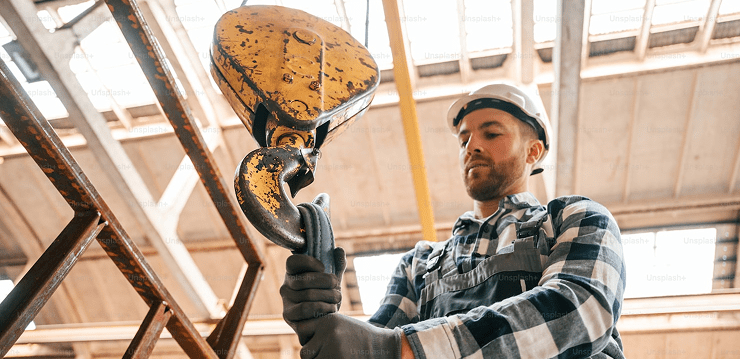
Outcome
- Early detection of failures
- Reduced breakdown risk
- Improved safety and reliability
A Structured Approach to Crane Health Checkup
Crane performance issues typically develop gradually due to wear, misalignment, load cycles, and environmental conditions.
Our crane health checkup follows a structured evaluation process designed to identify risks early, understand real operating conditions, and deliver measurable improvements in reliability.
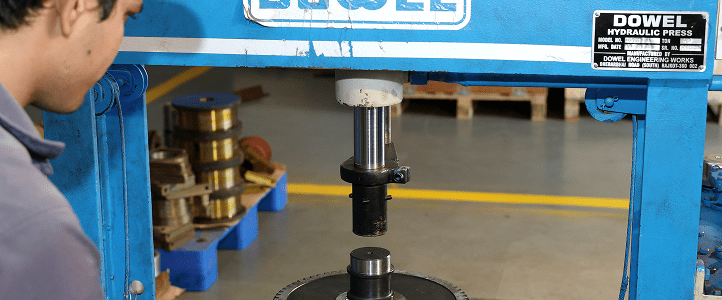
1. Safety Risk Assessment
Identifying Hidden Safety and Reliability Risks
The process begins with a detailed safety and condition assessment to establish the actual technical health of the crane and identify potential failure points before they lead to downtime.
Key Activities:
- Structural inspection of girders, joints, and connections
- Inspection of hoist, wire rope/chain, and braking systems
- Safety device and limit switch verification
- Electrical panel and wiring inspection
- Identification of wear, fatigue, and misalignment
This step creates a baseline risk profile of the crane system.
Flow to Next Step:
The process begins with a detailed safety and condition assessment to establish the actual technical health of the crane and identify potential failure points before they lead to downtime.
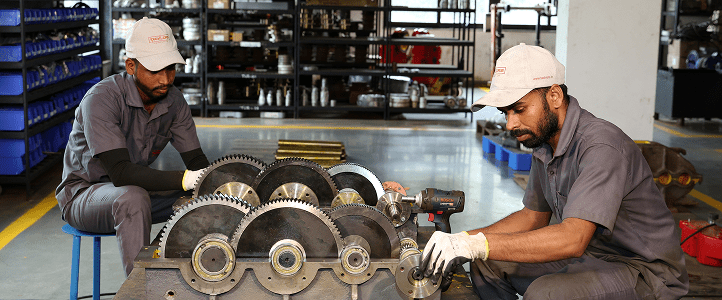
2. On-Site Evaluation
Understanding Real Operating Conditions
Crane health can not be fully assessed without observing real production workflows and operating conditions.
Key Activities:
- On-site crane inspection during operation
- Evaluation of load patterns and duty cycles
- Operator usage and workflow assessment
- Documentation of current equipment behavior
This step connects the technical condition with actual usage patterns.
Flow to Next Step:
The process begins with a detailed safety and condition assessment to establish the actual technical health of the crane and identify potential failure points before they lead to downtime.
3. Cost & ROI Impact
Connecting Crane Health with Business Performance
Crane reliability directly affects productivity, downtime, and maintenance cost. We translate technical findings into measurable business impact.
Key Activities:
- Downtime risk analysis
- Maintenance cost evaluation
- Life-cycle cost optimization planning
- Identification of priority corrective actions
This step defines what needs to be done and why it matters to operations.
Flow to Next Step:
The process begins with a detailed safety and condition assessment to establish the actual technical health of the crane and identify potential failure points before they lead to downtime.
4. Delivery & Outcome
Action Plan and Long-Term Reliability Improvement
The final step converts analysis into a clear action plan designed to improve safety, performance, and equipment lifespan.
Key Activities:
- Detailed health checkup report
- Maintenance and repair recommendations
- Preventive maintenance planning
- Performance improvement roadmap
This step creates a baseline risk profile of the crane system.
Result of the Approach
Action Plan and Long-Term Reliability Improvement
The final step converts analysis into a clear action plan designed to improve safety, performance, and equipment lifespan.
Key Activities:
- Early fault detection and risk reduction
- Reduced unexpected breakdowns
- Improved crane reliability and up-time
- Optimized maintenance planning and cost control
This step creates a baseline risk profile of the crane system.
Quick answers to questions that may interest you
Can't find what you're looking for? Talk to our expert for your requirements.
Our crane health checkup covers structural inspection of girders and connections, hoist and wire rope/chain assessment, brake and wheel inspection, electrical panel review, and lubrication analysis resulting in a detailed report with corrective action plan.
We recommend an annual crane health checkup as a minimum, with additional checks following any heavy lift incidents, load changes, or extended periods of intensive operation. High-duty cranes may benefit from semi-annual evaluations.
You receive a detailed inspection report identifying risks, a prioritised corrective and preventive action plan, and performance improvement recommendations giving you a complete picture of your crane condition and what actions to take.
Need Reliable Lifting Solutions?
Talk to Us
Corporate Office & HO:
Plot No. 5,6,7 Devraj Industrial Park, Piplaj-Pirana Road, Ahmedabad – 382405, India
Regd. Office & Plant:
Plot No. 613, Phase IV, G.I.D.C, Vatva, Ahmedabad – 382445, India.
Bengaluru Plant:
Plot No. 508, Sompura Industrial Area, Dobaspet, Bengaluru – 562111. India.