
Crane Failure Analysis
Crane Failure Analysis for Root Cause Identification
Technical analysis to identify issues and prevent repeat failures
In-depth technical investigation of crane failures to identify root causes, prevent recurrence, and provide documented findings for insurance and compliance requirements.
Expert Care and Support Solution for Your Industrial
Cranes and Material Handling Equipment
In-depth technical investigation of crane failures to identify root causes and prevent recurrence. When a significant structural, mechanical, or electrical failure occurs, a detailed analysis identifies the cause and recommends corrective actions to prevent future failures.
Scope of Inspection
- Failed component collection and physical condition assessment
- Structural and weld fracture surface examination
- Mechanical wear, fatigue, and overload evidence assessment
- Electrical fault trace and component failure examination
- Maintenance history and operating condition review
- Load history and duty cycle assessment
Deliverables
- Detailed failure analysis report with root cause findings
- Corrective and preventive action recommendations
- Supporting documentation for insurance and compliance purposes
Get Your Custom AMC Plan Today
Outcome
- Root cause of failure identified and documented
- Recurrence prevention measures defined and implemented
- Insurance and regulatory compliance documentation provided
A Structured Approach to Crane Failure Analysis
Crane repair and support issues require a structured response from immediate safety assessment through to root cause resolution and return to service.
Our approach ensures every engagement is safe, efficient, and fully documented.
1. Safety Risk Assessment
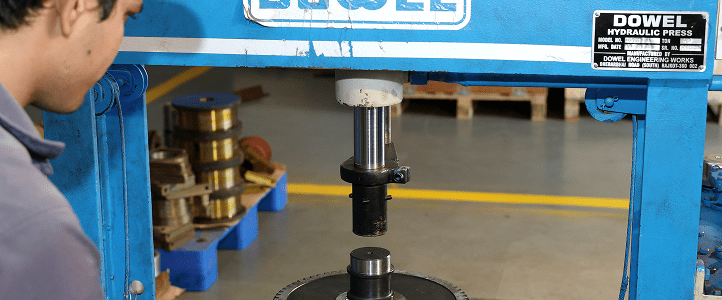
Safety Assessment and Evidence Preservation
Failure analysis begins with a safety assessment of the failure scene to control any ongoing risks and preserve all physical evidence before it is disturbed or removed.
Key Activities:
- Safety risk assessment and control at failure scene
- Physical evidence identification and preservation
- Failed component and debris collection for examination
- Photographic and dimensional documentation of failure scene
- Witness account and operating condition documentation
This step creates a baseline risk profile of the crane system.
Flow to Next Step:
The preserved evidence and initial scene documentation form the foundation for the detailed physical and technical investigation in the next step.
2. On-Site Evaluation
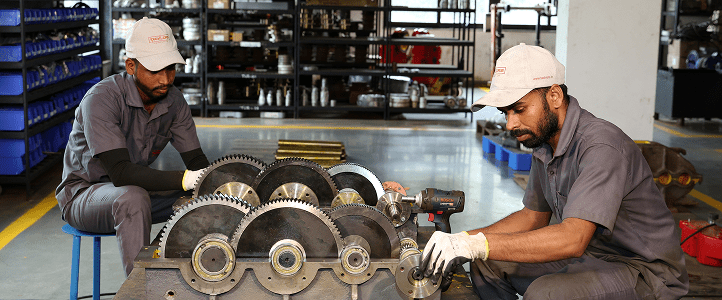
On-Site and Laboratory Investigation of Failed Components
Failed components are examined in detail both on-site and in laboratory where required to identify the physical failure mode and confirm the technical root cause.
Key Activities:
- Fracture surface and failure mode examination
- Dimensional measurement and wear pattern analysis
- Material condition assessment fatigue, overload, or corrosion
- Electrical component failure mode identification
This step connects the technical condition with actual usage patterns.
Flow to Next Step:
The technical root cause findings are translated into business impact and prevention recommendations in the next step.
3. Cost & ROI Impact
Business Impact and Prevention ROI Assessment
The business impact of the failure is quantified and the cost of preventive measures is evaluated against the risk and cost of recurrence building a clear case for corrective action.
Key Activities:
- Production downtime and repair cost impact assessment
- Insurance claim and liability exposure evaluation
- Recurrence probability and risk quantification
- Cost-benefit analysis of recommended preventive measures
This step defines what needs to be done and why it matters to operations.
Flow to Next Step:
The business case for preventive action drives the delivery of the failure analysis report and corrective recommendations in the final step.
4. Delivery & Outcome
Failure Analysis Report and Corrective Action Plan
A comprehensive failure analysis report is delivered with root cause findings, contributing factor analysis, and a prioritised corrective and preventive action plan.
Key Activities:
- Detailed failure analysis report with root cause findings
- Contributing factor analysis and maintenance history review
- Prioritised corrective and preventive action recommendations
- Supporting documentation for insurance and regulatory submissions
This step creates a baseline risk profile of the crane system.
Result of the Approach
Action Plan and Long-Term Reliability Improvement
Tacklers crane failure analysis delivers definitive root cause findings and a clear prevention plan supporting insurance claims, regulatory compliance, and long-term crane reliability improvement.
Key Activities:
- Root cause of failure identified with supporting technical evidence
- Corrective and preventive actions defined and prioritised
- Insurance and regulatory compliance documentation provided
- Recurrence risk reduced through implemented preventive measures
This step creates a baseline risk profile of the crane system.
Quick answers to questions that may interest you
Can't find what you're looking for? Talk to our expert for your requirements.
A formal failure analysis is recommended after any significant crane failure particularly structural failures, hoist or rope failures under load, collision incidents, or any failure resulting in injury, near-miss, or insurance claim.
Yes. Tacklers failure analysis reports provide documented technical findings, root cause conclusions, and contributing factor analysis providing the evidence typically required to support insurance claim submissions.
A standard failure analysis report is typically delivered within 5–10 working days of site investigation, depending on the complexity of the failure and whether laboratory examination of components is required.
Need Reliable Lifting Solutions?
Talk to Us
Corporate Office & HO:
Plot No. 5,6,7 Devraj Industrial Park, Piplaj-Pirana Road, Ahmedabad – 382405, India
Regd. Office & Plant:
Plot No. 613, Phase IV, G.I.D.C, Vatva, Ahmedabad – 382445, India.
Bengaluru Plant:
Plot No. 508, Sompura Industrial Area, Dobaspet, Bengaluru – 562111. India.