Technology Upgradation
Technology Upgradation for Smarter Crane Operation
Control system, automation and safety feature upgrades
Integrating the latest crane control, monitoring, and automation technologies to improve operational efficiency, safety visibility, and remote management capability.
Expert Care and Support Solution for Your Industrial
Cranes and Material Handling Equipment
Integrating the latest crane technologies for smarter operations. Technology upgrades introduce IoT monitoring, remote diagnostics, SCADA integration, energy management, and advanced controls to enable proactive, data-driven crane operations.
Scope of Inspection
- Existing control and monitoring technology assessment
- IoT sensor and remote monitoring integration feasibility
- SCADA and production system connectivity evaluation
- Energy monitoring and management system assessment
- Data analytics and reporting capability requirement review
- Cybersecurity and network integration requirement assessment
Deliverables
- Technology upgradation scope and architecture report
- System integration design and implementation plan
- Post-implementation performance verification and training
Get Your Custom AMC Plan Today

Outcome
- Improved operational visibility with real-time crane data
- Predictive maintenance capability from continuous monitoring
- Reduced energy consumption with smart drive management
A Structured Approach to Technology Upgradation
Performance and upgrade challenges typically develop through changing production demands, ageing systems, and evolving safety standards.
Our structured approach identifies the right solution, assesses feasibility, quantifies ROI, and delivers measurable improvements in crane performance and reliability.
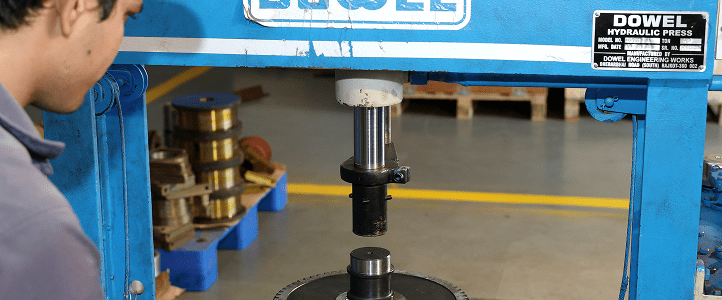
1. Safety Risk Assessment
Assessment of Technology Gaps and Digital Readiness
Technology upgradation begins with an assessment of existing crane technology, digital infrastructure, and connectivity readiness to define the upgrade scope and architecture.
Key Activities:
- Existing control system and connectivity capability assessment
- IoT readiness and network infrastructure evaluation
- SCADA and production system integration compatibility check
- Data security and cybersecurity requirement assessment
- Technology gap identification against current best practice
This step creates a baseline risk profile of the crane system.
Flow to Next Step:
The technology gap and digital readiness assessment drives the on-site integration feasibility and architecture design in the next step.
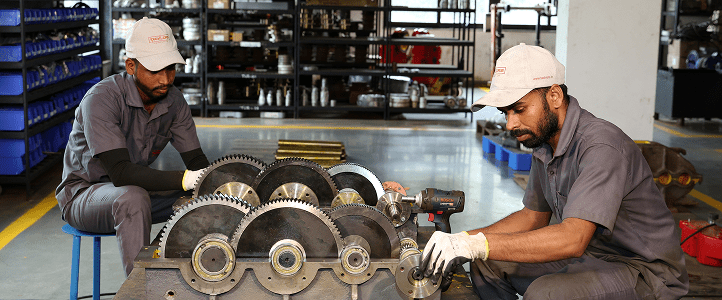
2. On-Site Evaluation
On-Site Integration Feasibility and Architecture Design
The crane and facility technology environment are assessed on-site to confirm integration feasibility and define the system architecture for the technology upgradation.
Key Activities:
- On-site crane control and electrical system compatibility check
- Sensor placement and data acquisition point assessment
- Network connectivity and data transmission feasibility
- System architecture design and integration specification
This step connects the technical condition with actual usage patterns.
Flow to Next Step:
The architecture design and integration specification define the investment and business case evaluated in the next step.
3. Cost & ROI Impact
Operational Efficiency and ROI from Technology Investment
Technology investment is evaluated against the operational efficiency improvement, maintenance cost reduction, and energy saving it delivers building a clear business case.
Key Activities:
- Operational visibility improvement and downtime reduction value
- Predictive maintenance cost saving vs reactive repair
- Energy consumption reduction from smart drive management
- Return on technology investment timeline and benefit quantification
This step defines what needs to be done and why it matters to operations.
Flow to Next Step:
The business case and architecture design drive technology implementation, commissioning, and team training in the final step.
4. Delivery & Outcome
Technology Implementation, Commissioning, and Team Training
Technology upgradation is implemented, configured, and commissioned with full system testing and team training before operational handover.
Key Activities:
- Sensor and IoT system installation and configuration
- Software commissioning dashboards, alerts, and reporting
- SCADA and production system integration testing
- Team training and operational handover
This step creates a baseline risk profile of the crane system.
Result of the Approach
Action Plan and Long-Term Reliability Improvement
Technology upgradation transforms crane operations from reactive to data-driven improving visibility, reducing downtime, and enabling proactive maintenance decisions.
Key Activities:
- Real-time crane performance visibility and remote monitoring
- Predictive maintenance capability reducing unplanned downtime
- Energy consumption reduction from smart technology management
- Data-driven operational decisions with continuous performance analytics
This step creates a baseline risk profile of the crane system.
Quick answers to questions that may interest you
Can't find what you're looking for? Talk to our expert for your requirements.
Tacklers technology upgradation covers IoT sensors and remote monitoring, SCADA integration, energy monitoring, vibration and thermal condition monitoring, load tracking, anti-collision systems, and cloud-based performance analytics.
Most sensor and monitoring installations can be carried out with minimal crane downtime. Control system integrations may require a short planned shutdown. Our team will plan the implementation to minimise production disruption.
Our team assesses your existing production system architecture during the feasibility step to confirm compatibility and design the appropriate integration approach for your facility.
Need Reliable Lifting Solutions?
Talk to Us
Email:
Corporate Office & HO:
Plot No. 5,6,7 Devraj Industrial Park, Piplaj-Pirana Road, Ahmedabad – 382405, India
Regd. Office & Plant:
Plot No. 613, Phase IV, G.I.D.C, Vatva, Ahmedabad – 382445, India.
Bengaluru Plant:
Plot No. 508, Sompura Industrial Area, Dobaspet, Bengaluru – 562111. India.