Safety Training
Crane Safety Training for Operators and Maintenance Teams
Practical safety training for safe working and maintenance practices
Structured safety training for crane operators, riggers, slingers, and maintenance personnel developing the safety knowledge and competency needed to prevent accidents and ensure compliance.
Expert Care and Support Solution for Your Industrial
Cranes and Material Handling Equipment
Structured safety training for personnel involved in crane and lifting operations. Tacklers safety training develops the knowledge, awareness, and practical skills needed to prevent accidents, ensure compliance, and create a safer working environment.
Scope of Inspection
- Current safety knowledge and competency gap assessment
- Regulatory training requirement identification per role
- Safe operating procedure and permit-to-work review
- Rigging, slinging, and lifting plan practice assessment
- Exclusion zone, signalling, and communication procedure review
- Incident investigation and near-miss reporting training scope
Deliverables
- Training needs assessment and programme scope document
- Trainer-led session materials and practical exercise plan
- Post-training competency assessment and certification records
Get Your Custom AMC Plan Today

Outcome
- Improved safety knowledge and risk awareness across all roles
- Reduced lifting incident and near-miss frequency
- Statutory training compliance documentation for all participants
A Structured Approach to Crane Safety Training
Our structured approach ensures every spares, safety, or training requirement is assessed accurately, specified correctly, and delivered with quality assurance giving you confidence in every component and every person operating your equipment.
1. Safety Risk Assessment
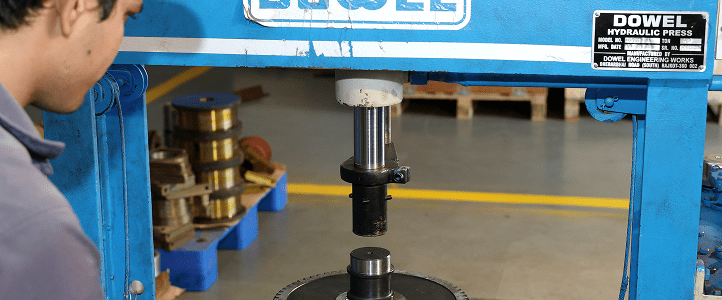
Assessment of Current Safety Knowledge and Risk Gaps
Safety training begins with an assessment of current knowledge levels, incident and near-miss history, and specific safety risks associated with your crane and lifting operations.
Key Activities:
- Current knowledge and competency gap assessment by role
- Incident and near-miss history review and analysis
- Regulatory training requirement identification per role
- Site-specific hazard and risk identification for training scope
- Training needs assessment and programme scope definition
This step creates a baseline risk profile of the crane system.
Flow to Next Step:
The safety knowledge gaps and risk assessment drive the training content design and delivery approach in the on-site evaluation step.
2. On-Site Evaluation
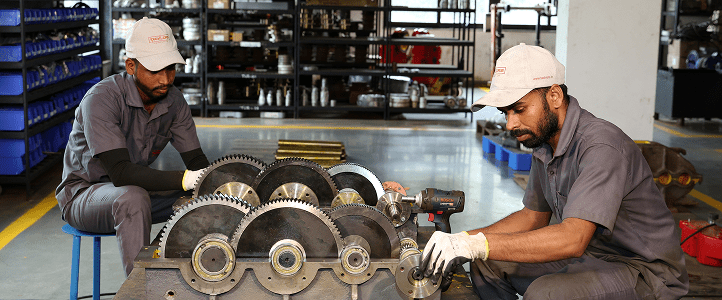
On-Site Training Delivery and Practical Assessment
Safety training is delivered on-site combining theoretical instruction and practical exercises ensuring all participants develop both knowledge and applied safety competency.
Key Activities:
- Theoretical instruction regulations, hazards, and safe practices
- Practical exercises inspection, rigging, and emergency response
- Role-specific scenario training relevant to actual operations
- Individual competency assessment during practical sessions
This step connects the technical condition with actual usage patterns.
Flow to Next Step:
Training delivery outcomes and competency assessment results are evaluated against regulatory and operational safety requirements in the next step.
3. Cost & ROI Impact
Safety Compliance and Incident Risk Reduction Value
The safety and business value of trained personnel is quantified demonstrating the incident risk reduction, liability improvement, and compliance benefit from safety training investment.
Key Activities:
- Lifting incident frequency and cost impact analysis
- Liability and insurance risk reduction from competent personnel
- Statutory compliance improvement from certified safety training
- Training investment vs incident and downtime cost comparison
This step defines what needs to be done and why it matters to operations.
Flow to Next Step:
The safety compliance and risk reduction findings drive the certification and documentation in the final step.
4. Delivery & Outcome
Training Certification and Safety Compliance Documentation
All participants receive training certificates and competency records providing the statutory and site compliance documentation required for crane and lifting operations safety compliance.
Key Activities:
- Post-training written and practical competency assessment
- Training certificate issuance for qualified participants
- Training records for regulatory and insurance compliance
- Refresher training schedule and programme recommendations
This step creates a baseline risk profile of the crane system.
Result of the Approach
Action Plan and Long-Term Reliability Improvement
Tacklers crane safety training delivers measurable improvement in safety knowledge and competency reducing incident risk and providing the compliance documentation required by regulations and insurers.
Key Activities:
- Improved safety knowledge and competency across all trained roles
- Reduced lifting incident and near-miss frequency
- Training certificates and records for regulatory compliance
- Safer crane operations with consistently trained personnel
This step creates a baseline risk profile of the crane system.
Quick answers to questions that may interest you
Can't find what you're looking for? Talk to our expert for your requirements.
Tacklers safety training is relevant for crane operators, riggers and slingers, banksmen and signallers, maintenance engineers, supervisors, and any personnel working in or around crane operating areas. Separate role-specific modules are available for each group.
Yes. Tacklers safety training is delivered on-site, using your actual crane equipment and work environment ensuring training content is directly relevant to the specific hazards and procedures your personnel encounter daily.
Participants receive a training completion certificate with competency assessment results and attendance record providing the documented evidence required for statutory safety training compliance and insurance purposes.
Need Reliable Lifting Solutions?
Talk to Us
Corporate Office & HO:
Plot No. 5,6,7 Devraj Industrial Park, Piplaj-Pirana Road, Ahmedabad – 382405, India
Regd. Office & Plant:
Plot No. 613, Phase IV, G.I.D.C, Vatva, Ahmedabad – 382445, India.
Bengaluru Plant:
Plot No. 508, Sompura Industrial Area, Dobaspet, Bengaluru – 562111. India.